Sau-Ching Wong · Semiconductor inventor
Three decades of
Semiconductor
I.C. Inventions
From early DRAM at Intel to programmable logic at Altera, and analog and multilevel Flash memory at Invox and MLM. Explore 110 U.S. patents from over three decades of Sau-Ching Wong’s work in integrated circuit design.
A lifetime of invention.
Etched in silicon.
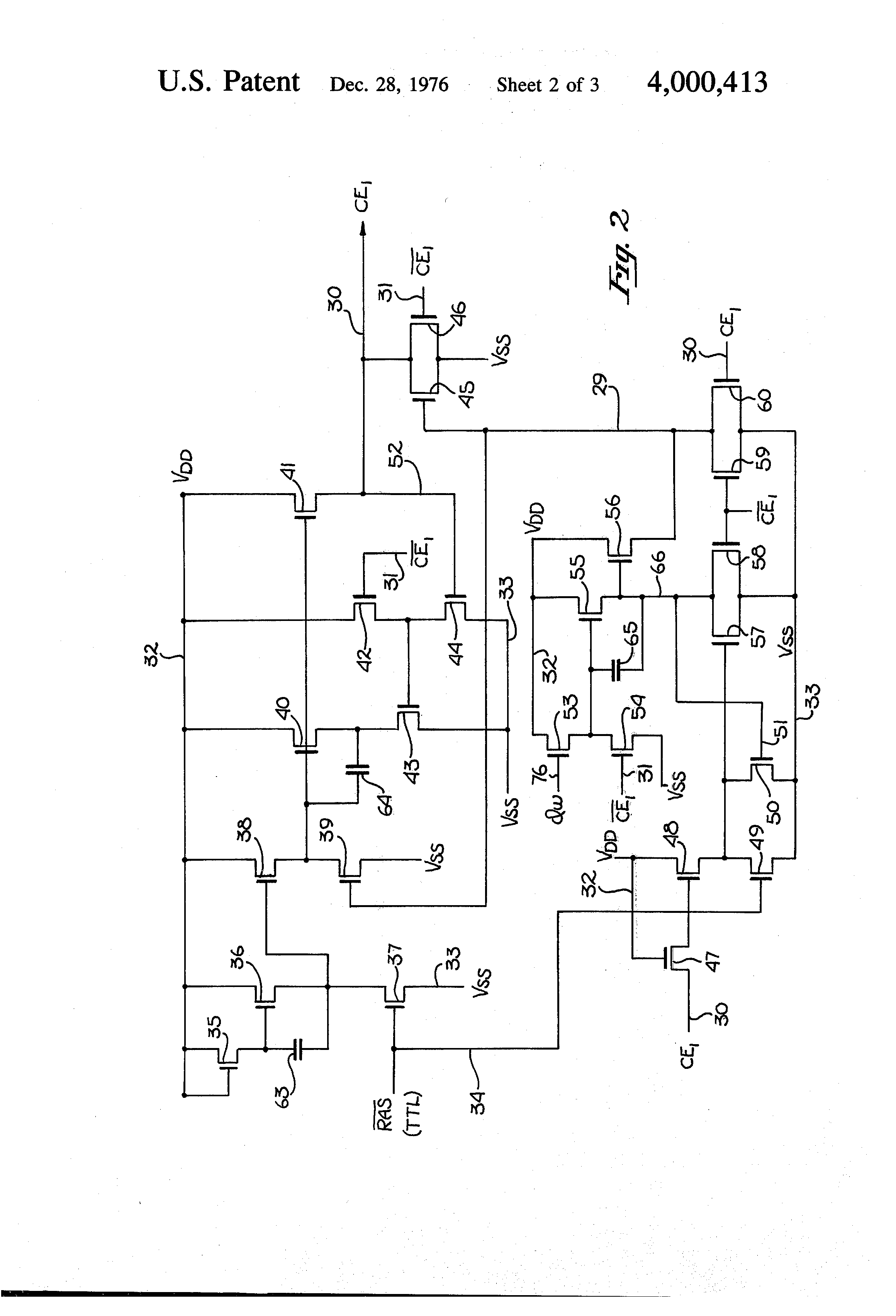
Early DRAM · Intel
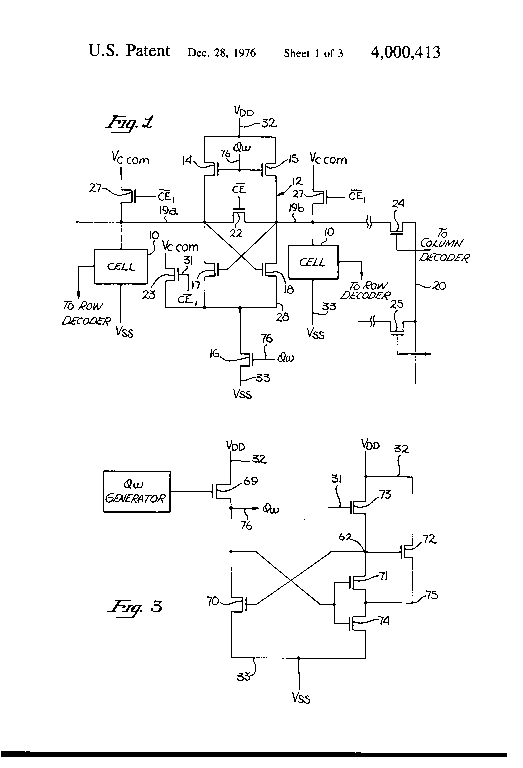
MOS-RAMUS 4,000,413 · 1976
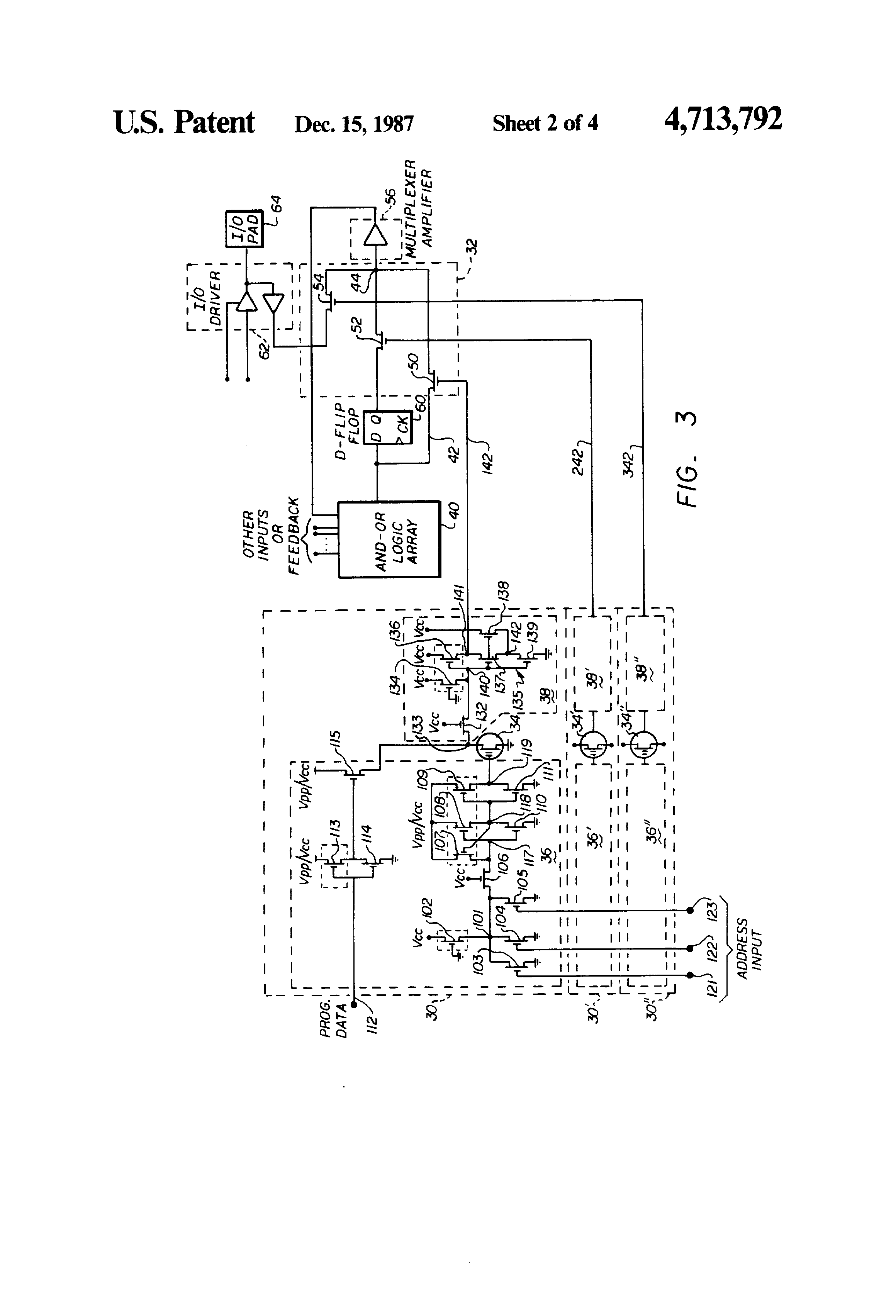
Programmable logic · Altera
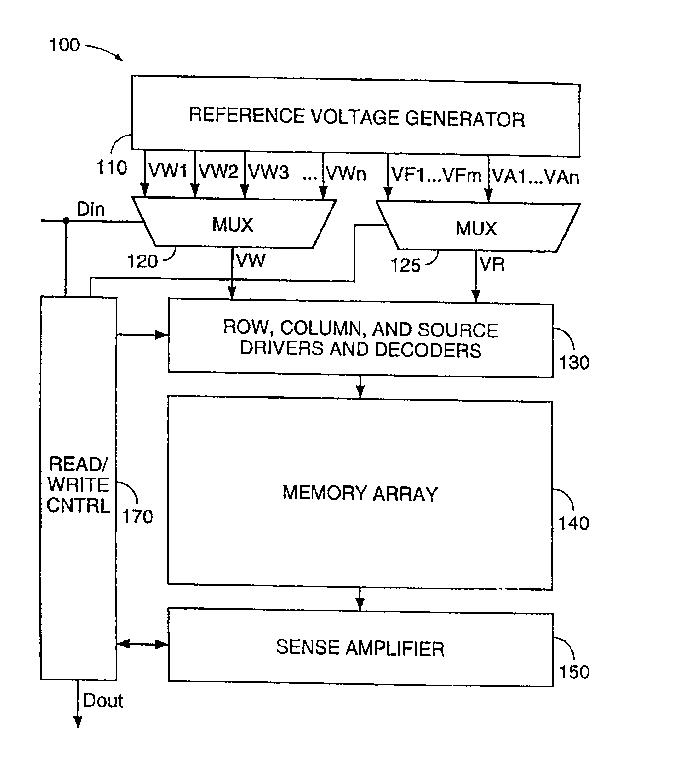
Programmable macrocell using EPROM or EEPROM transistors for architecture control in programmable logic circuitsUS 4,713,792 · 1987
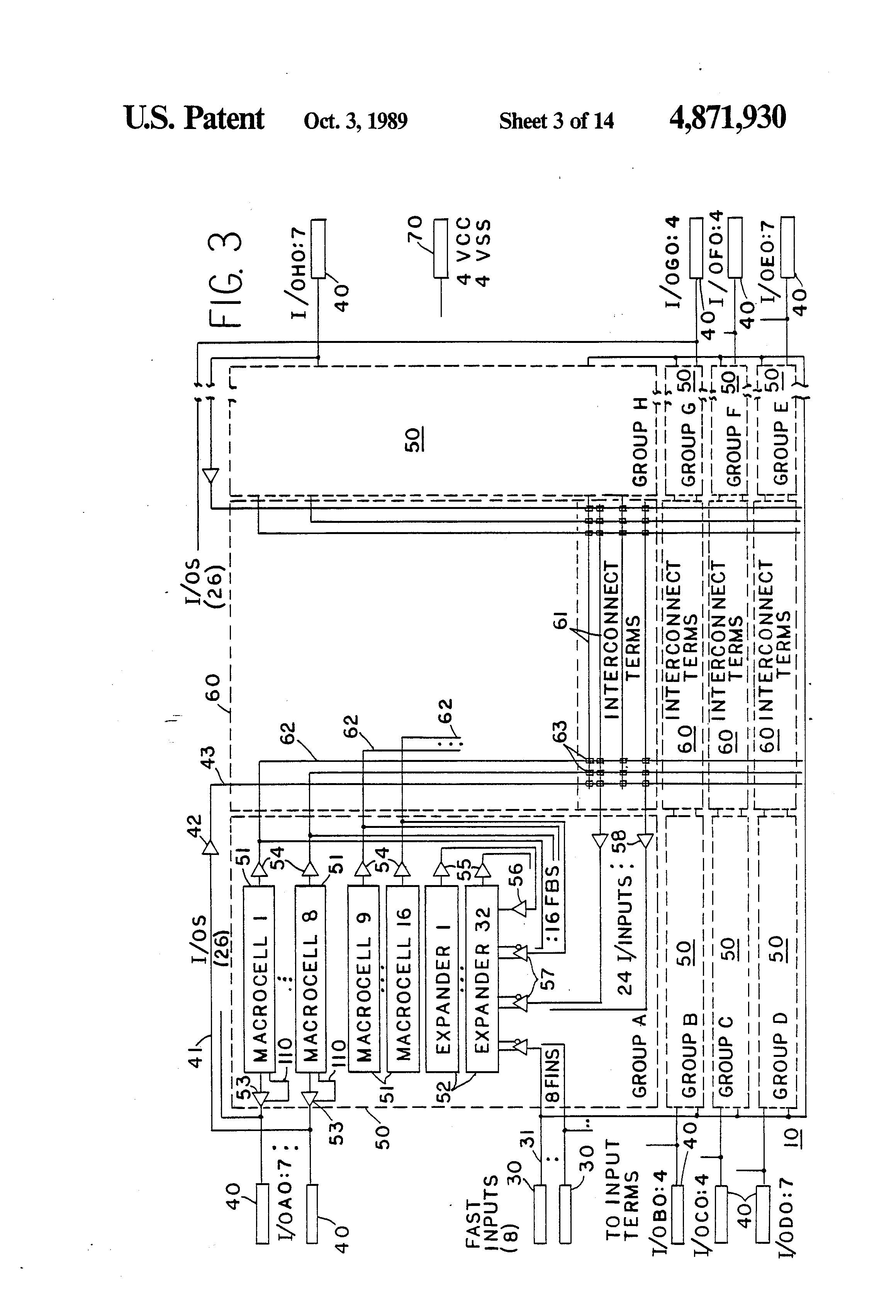
Programmable interconnect · Altera
Programmable logic device with array blocks connected via programmable interconnectUS 4,871,930 · 1989
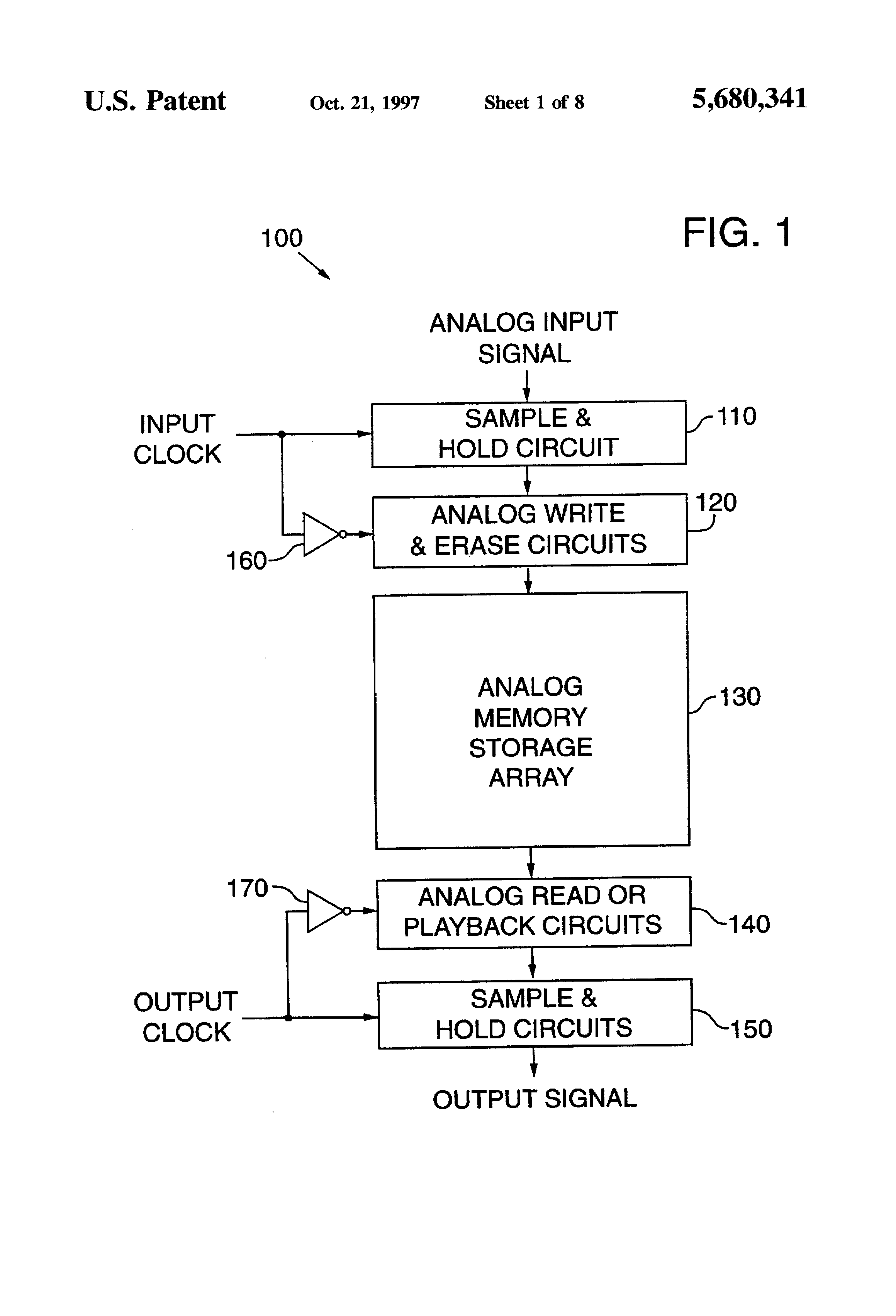
Analog Flash memory · Invox
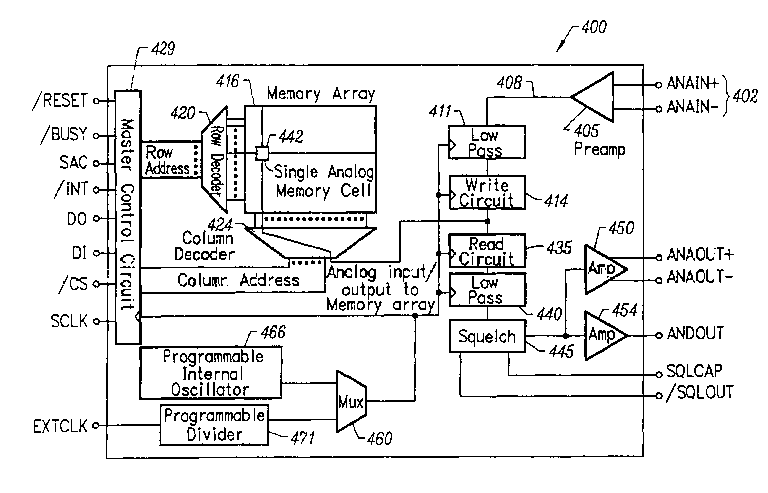
Pipelined record and playback for analog non-volatile memoryUS 5,680,341 · 1997
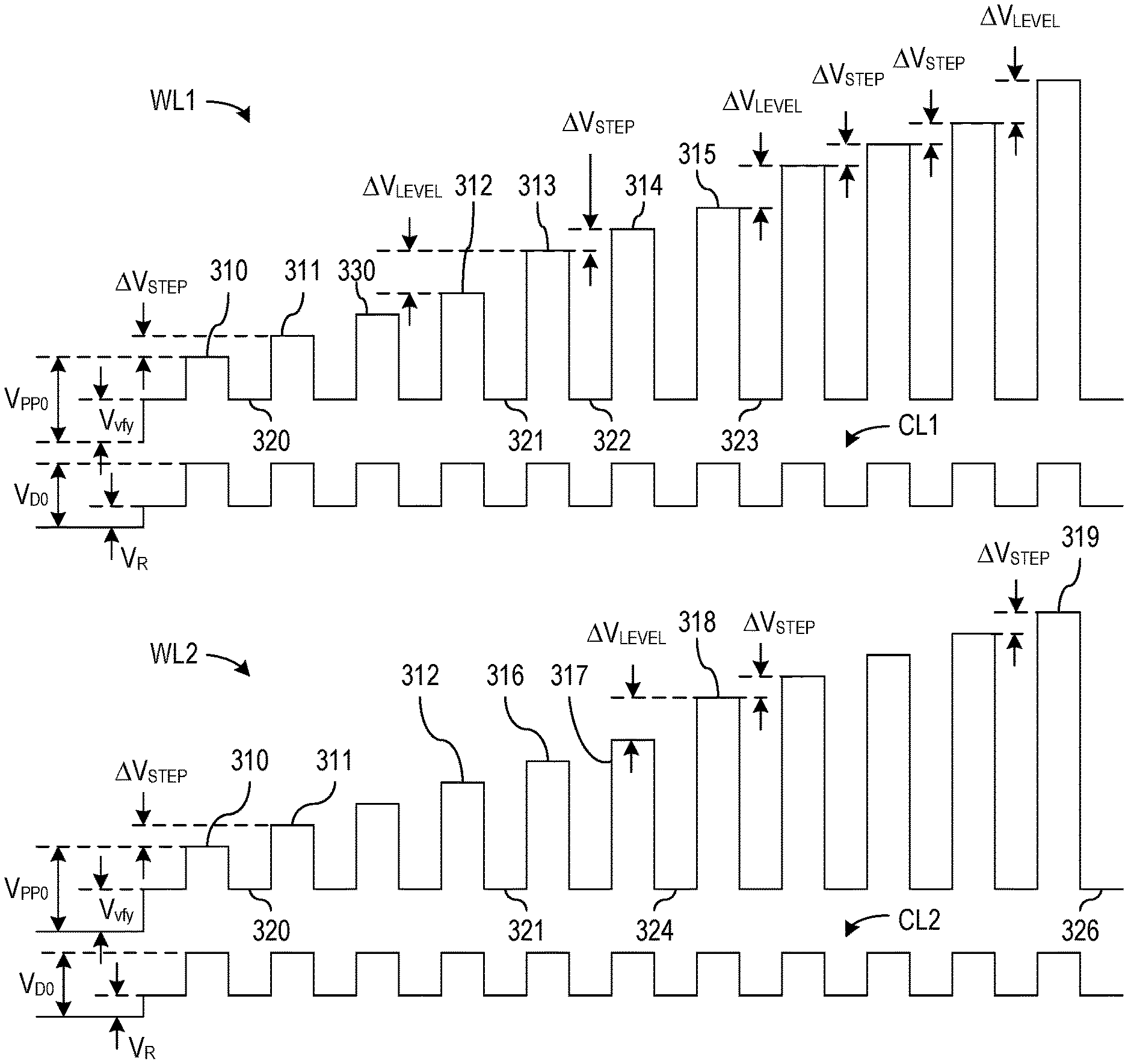
Multilevel Flash memory
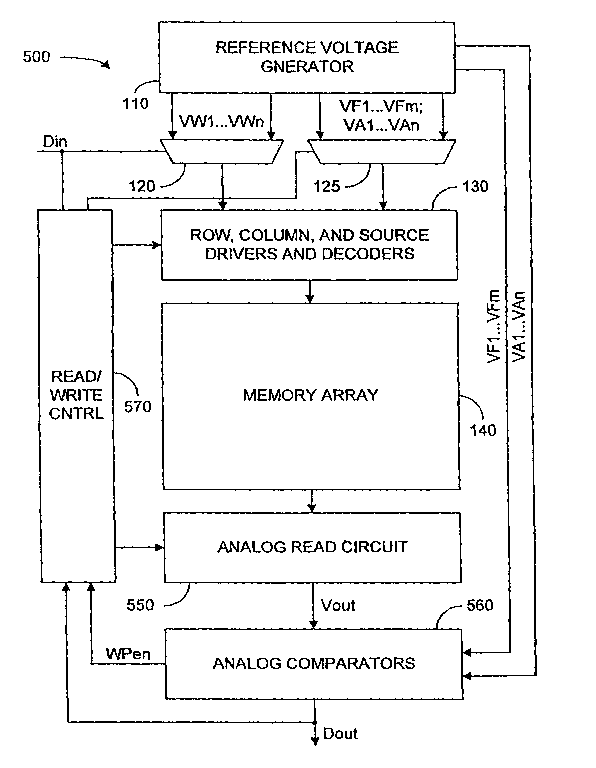
Programming nonvolatile memory cells through a series of predetermined threshold voltagesUS 11,200,954 · 2021
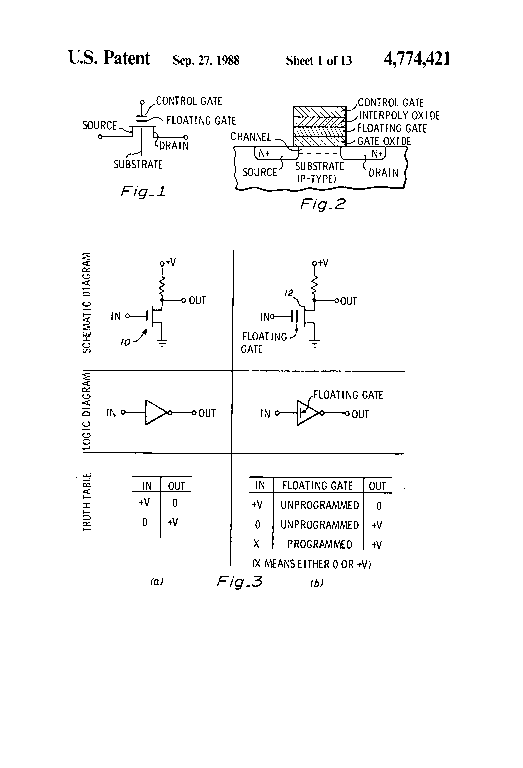
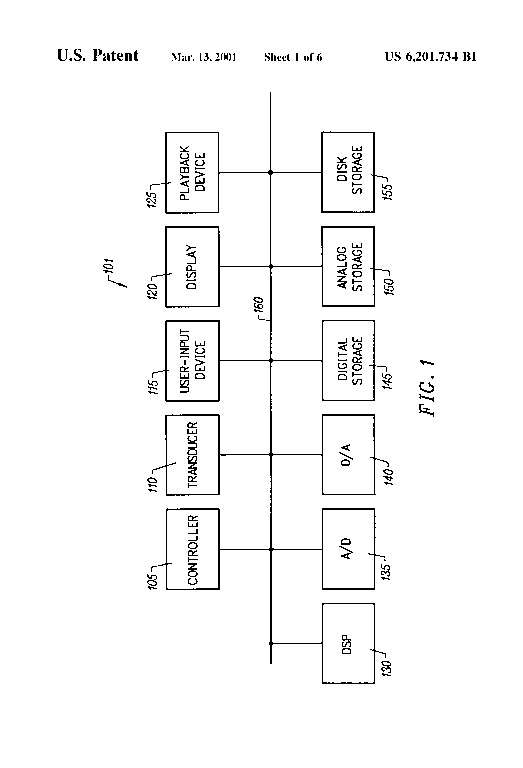
Drawing 1 of 5: MOS-RAM
110
U.S. patents
1976–2021
Patent grants
30+
Years of IC design
An inventor’s archive
Ideas, in their original form.
The drawings, discoveries, and conversations behind a career in silicon.
The Collection
110 patents
U.S. grants · 1976–2021 →
The Record
Presentations & Publications
4 entries · 1986–2009 →
About
Sau-Ching Wong
Engineer. Inventor. Founder.
From Intel and Altera to Invox and MLM, a career built on curiosity and the possibilities of integrated circuits.
Read the Altera oral historyIn his own words
Over the course of more than 30 years, my career in Integrated Circuit (IC) design has spanned both R&D and product innovation across a broad range of semiconductor technologies, including CCD, DRAM, SRAM, ROM, EPROM/EEPROM, analog and multi-bit-per-cell (MLC) Flash memory, Erasable Programmable Logic Devices (EPLDs), speech-synthesis, and voice-recording consumer products.
I began my career at Intel in 1972 after earning both my B.S.E.E. (with Honors) and M.S.E.E. degrees from the University of California, Berkeley. During my years at Intel, I gained extensive experience in the design and development of advanced memory products, and had the privilege of being mentored by several legendary innovators, including Dr. Sunlin Chou, George Perlegos, and Bob Abbott.
In 1983, I was recruited by Robert Hartmann, co-founder of Altera, to join the company’s startup team. There, I pioneered the development of EPLD technology, initially based on EPROM and later on Flash memory. The success of the EP-Series and MAX family of programmable logic products helped establish Altera as an industry leader and contributed to its successful initial public offering (IPO) in 1988.
Later, I was recruited by Dr. Peter Chen, whom I had previously known at Fairchild, to join MOSEL, which later merged with Vitelic. I managed two IC design teams developing memory and speech-synthesis products — one located in Hsinchu Science Park, Taiwan, and the other in Hong Kong, where I was born and spent my teenage years. As a result, I traveled weekly between the two locations.
After returning to Silicon Valley following a two-year assignment in Asia, I co-founded Invoice/Invox Technology, where we pioneered single-chip voice recording ICs utilizing analog Flash memory technology. SanDisk later acquired Invox’s engineering team and its intellectual property, recognizing the technology’s significant value in advancing its multi-bit-per-cell (MLC) Flash memory products.
Seeing the tremendous potential of MLC Flash technology, I subsequently founded Multi Level Memory Technology (MLM), a consulting company specializing in multi-bit-per-cell (MLC) Flash memory design IP. The company’s portfolio of proprietary technologies was later acquired by Samsung, where it contributed to the continued advancement of its next-generation Flash memory products.
— Sau-Ching (Don) Wong
Career
1972
Intel
Design and development of advanced memory products, mentored by Dr. Sunlin Chou, George Perlegos, and Bob Abbott.
1 U.S. patent1983
Altera
Recruited by co-founder Robert Hartmann to the startup team; pioneered EPLD technology, initially on EPROM and later on Flash. The EP-Series and MAX families helped establish Altera as an industry leader through its 1988 IPO.
8 U.S. patentsMOSEL · Vitelic
Managed two IC design teams developing memory and speech-synthesis products — in Hsinchu Science Park, Taiwan, and in Hong Kong.
Invoice / Invox Technology
Co-founder; pioneered single-chip voice-recording ICs using analog Flash memory. SanDisk later acquired the engineering team and its intellectual property.
59 U.S. patents assigned to SanDiskMulti Level Memory Technology
Founder; consulting company specializing in multi-bit-per-cell Flash memory design IP, whose portfolio was later acquired by Samsung.
42 U.S. patents assigned to Samsung